Please login to Online Banking to apply. If you do not have Online Banking, please click here to apply.
Not a member yet?
Listerhill Credit Union is a nonprofit financial cooperative improving lives in our community.
If you live in Alabama, Georgia, Mississippi, Florida, or Tennessee, you are eligible to become a member. Depending on your individual eligibility, we may require membership into an approved association at no cost to you.
You can also qualify for membership by being a family member of a current or potential Listerhill member.
With only $5, you can join Listerhill today and start taking advantage of a lifetime membership.
By clicking "Continue," you will leave Listerhill's website and enter a website hosted by a third party. Please be aware that this external website is not operated by Listerhill Credit Union. We are not responsible for the content, availability or the security of this linked site, and our privacy policies do not apply. We encourage you to review the privacy and security policies of the site you are visiting.
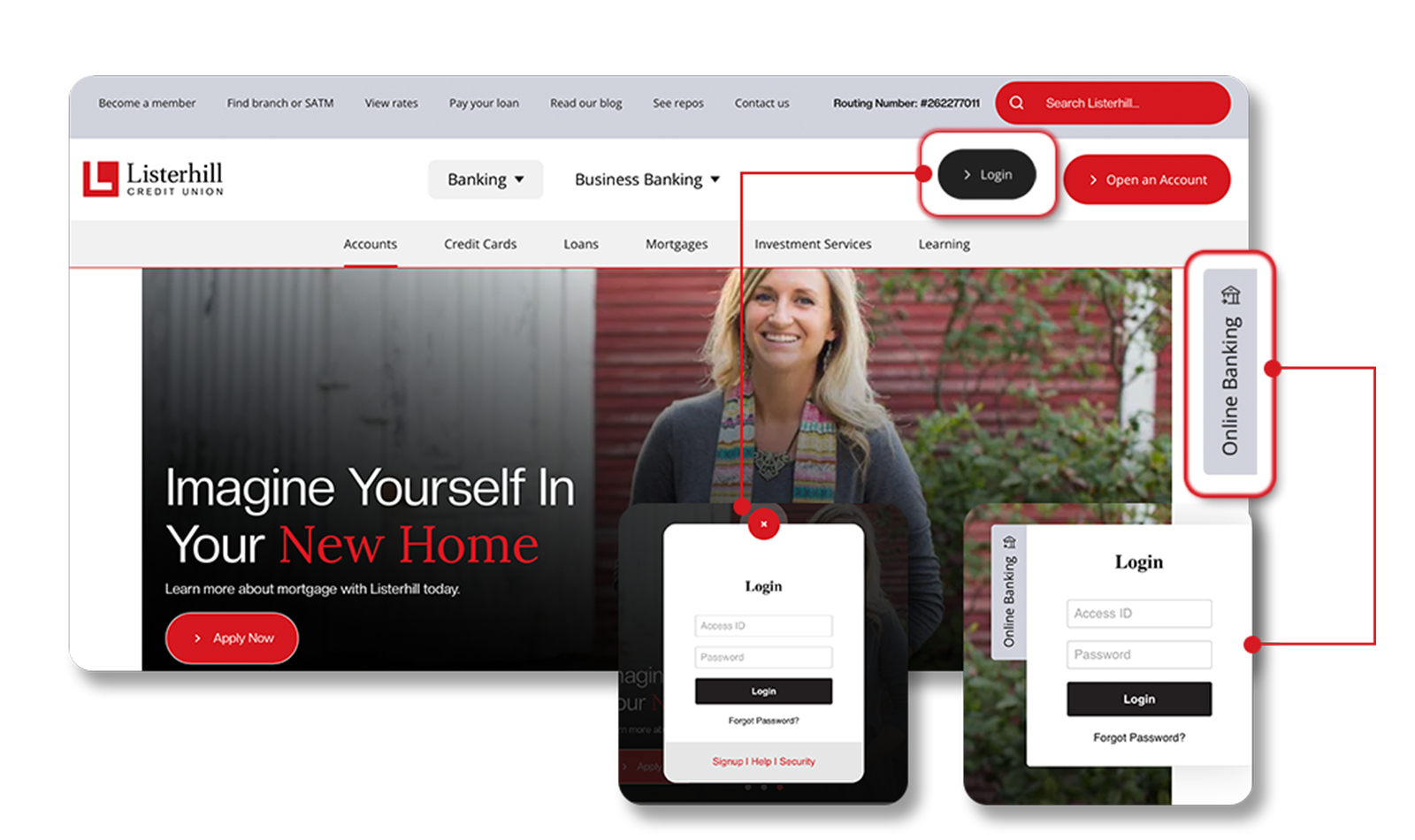
Welcome to Your New Site!
We’ve refreshed our online banking login to make it easier to find — look for it in the sidebar of our new homepage. Don’t worry, your original login option is still there too!
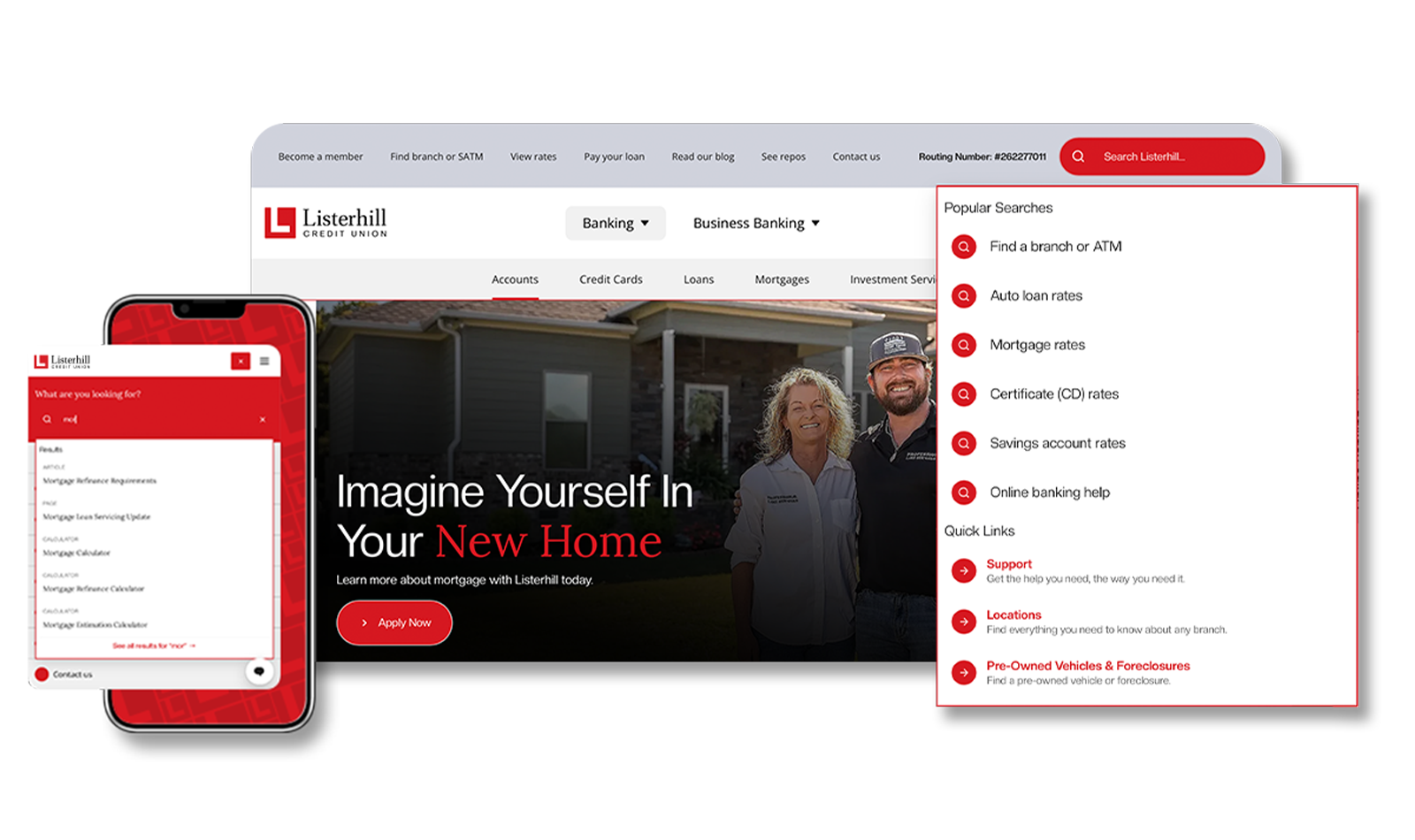
Find Anything, Fast
Our new search bar lives right at the top of every page, complete with autocomplete, popular searches, and helpful filters. Finding what you need has never been quicker.
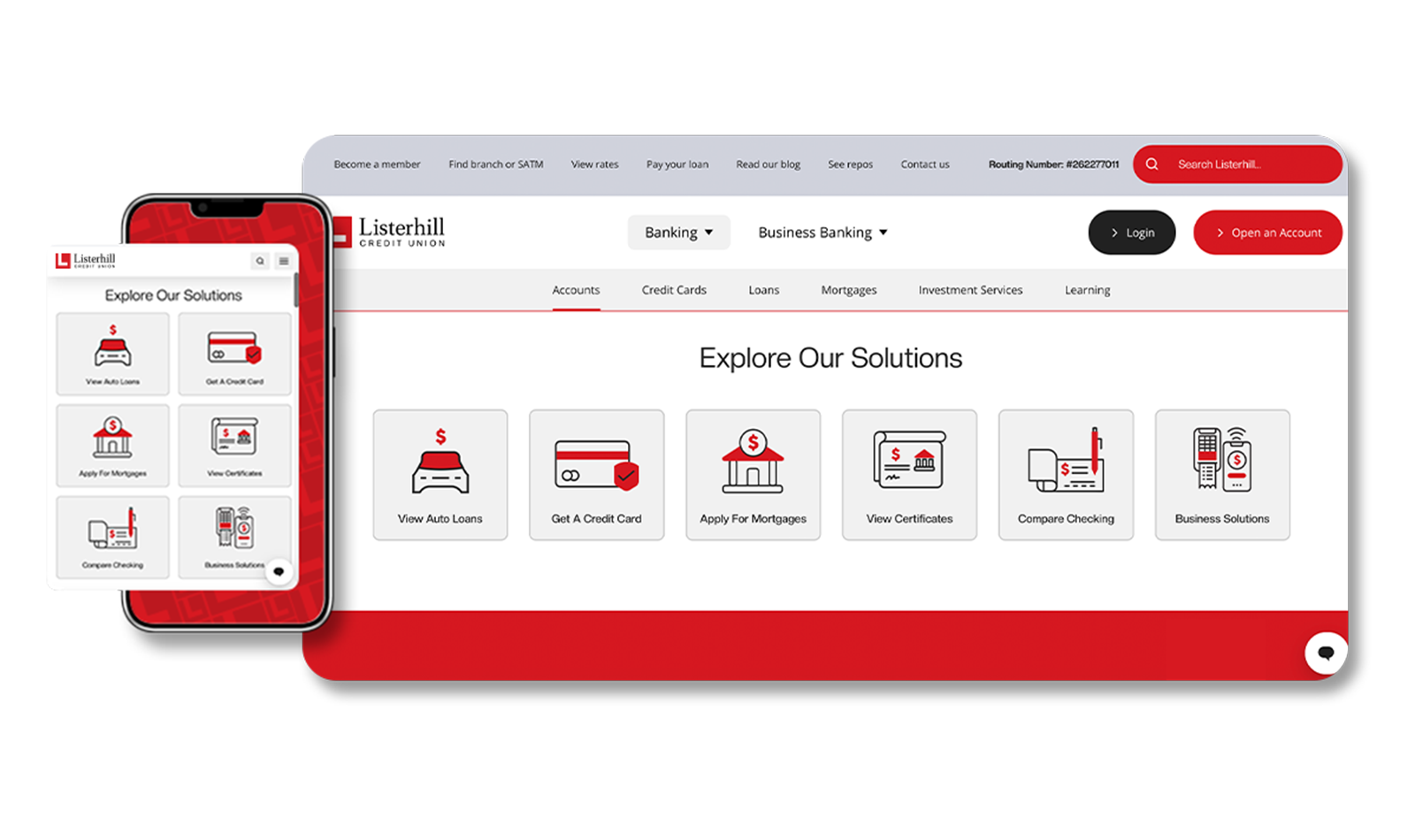
Get There in One Click
Quick-access buttons now sit right below the homepage banner, putting our most popular tools and pages within easy reach — especially on mobile. We’ve also simplified our menus so you can navigate in fewer clicks.
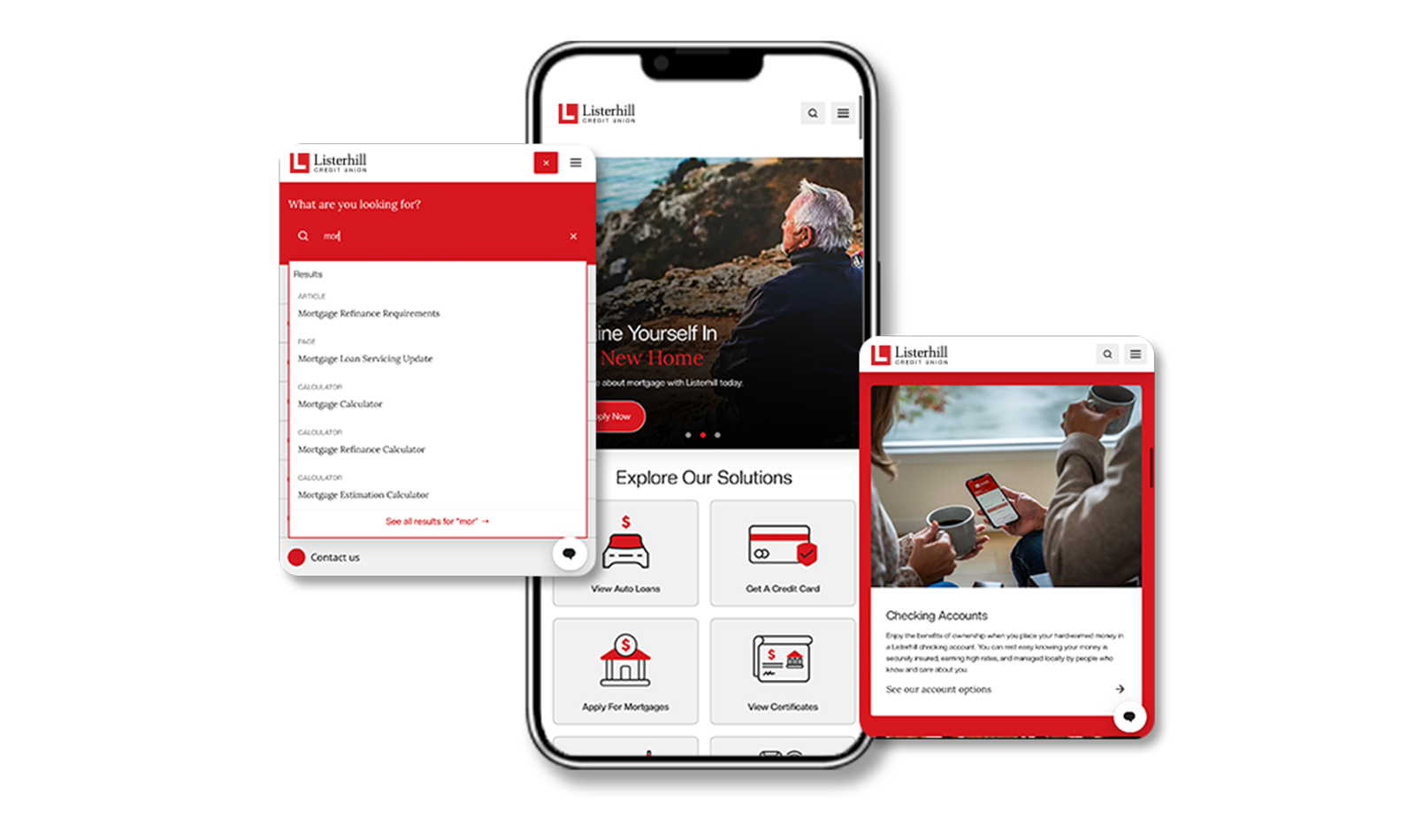
Built for Life on the Go
We’ve optimized every corner of our site for mobile, so banking with us feels smooth and simple wherever you are. Take a look around and see what’s new!
Secured Credit Card Benefits: A Smart Way to Start Building Credit
Listerhill Editorial Team
26 Sep 2025•5
min read
Editorial Note: Articles published are intended to provide general information and educational content related to personal finance, banking, and credit union services. While we strive to ensure the accuracy and reliability of the information presented, it should not be considered as financial advice and may be revised as needed.
If you’re new to credit or are trying to rebuild it after a financial setback, a secured credit card can be a powerful tool. It’s designed to help you establish or improve your credit history while also helping you build healthy money habits. In this post, we’ll break down how secured credit cards work, their benefits, and how to get one.
Secured credit cards require a refundable deposit that becomes your credit limit.
They’re designed to help you build or rebuild credit with responsible use.
You don’t need a credit history to get one. Secured cards are easier to qualify for than traditional cards.
What Is a Secured Credit Card?
A secured credit card works like a regular credit card, but it’s backed by a cash deposit, usually held in a savings account or certificate of deposit (CD). That deposit acts as collateral, which is why it’s called “secured.”
Your deposit amount typically becomes your credit limit. For example, if you put down $300, your credit limit will be $300.
Unsecured vs. Secured Credit Cards
Most credit cards are unsecured, meaning you don’t need to provide a deposit. Your credit limit and interest rate are based on your credit score and financial history. If you have excellent credit, you’re more likely to qualify for better terms.
Secured credit cards are designed for individuals with no credit or poor credit history. They require a refundable security deposit, which reduces the lender’s risk. As a result, these cards are more accessible than their unsecured counterparts.
Here’s a quick comparison:
Feature
Secured Credit Cards
Unsecured Credit Cards
Requires a deposit
✅
❌
Builds credit
✅
✅
Based on credit history
❌
✅
Do Secured Credit Cards Build Credit?
Yes! Secured credit cards are a great way to establish or rebuild your credit. Most financial institutions report your payment history to the major credit bureaus, like Equifax, Experian, and TransUnion, which means responsible use can help you improve your credit score over time.
To build credit effectively:
Keep your balance below 30% of your credit limit
Make on-time payments every month
Avoid maxing out the card
Pay in full when possible to avoid interest
Pro tip: Set up autopay or calendar reminders to avoid late payments, which can negatively impact your credit score.
Benefits of a Secured Credit Card
Establishes or rebuilds credit history
Life happens, and sometimes that means our credit takes a hit. Whether you’re starting from scratch or working to bounce back from past financial missteps, a secured credit card can give you the fresh start you need. Because it doesn’t require a credit history, it’s a great option for first-time borrowers or those looking for a second chance.
That said, simply having a secured credit card won’t automatically improve your credit. You’ll need to use it responsibly—keeping your balance low and making your payments on time each month—to see real progress.
Helps develop smart spending habits
Secured credit cards can also serve as a valuable learning tool. If you’re new to credit or working on improving your financial habits, using one can help you build discipline. For example, setting a budget for your card and only using it for planned purchases—like gas, groceries, or a monthly subscription—can help you stay in control of your spending. Since your credit limit is tied to your deposit, it also helps you avoid overspending, which is one of the biggest challenges with traditional credit cards.
Refundable deposit when you upgrade or close in good standing
When you open a secured credit card, your initial deposit acts as collateral, but it’s not a fee. As long as you manage your account responsibly, that deposit is fully refundable. You’ll get it back either when you upgrade to an unsecured credit card or if you choose to close the account in good standing.
More accessible for first-time borrowers or those with less-than-perfect credit
It can be tough to get approved for a traditional (unsecured) credit card without a strong credit history. That’s where secured credit cards shine. Because they require a deposit, they come with fewer credit requirements, making them a more inclusive option for people who are just starting out or starting over.
No annual fee when you choose Listerhill Credit Union
At Listerhill, we believe building your credit shouldn’t come with added costs. That’s why our secured credit card comes with no annual fee, so you can focus on your financial goals, not on paying unnecessary fees.
A simple path to upgrade
The process for upgrading your secured credit card may vary depending on the financial institution. At Listerhill, as your credit improves and you demonstrate responsible use, we’ll keep an eye out for opportunities to help you graduate to an unsecured credit card. We make the transition easy, so you can continue building your financial future with confidence.
How Does a Secured Credit Card Work?
A secured credit card starts with a deposit; this upfront amount acts as your collateral and becomes your credit limit. So, if you put down $300, that’s how much you’ll be able to spend on the card. From there, it works just like a traditional credit card. You can use it for everyday purchases, whether you're grabbing groceries or filling up at the gas station.
Each month, you’ll receive a statement with your balance. You’ll have the option to pay it in full to avoid interest or make at least the minimum payment to keep the account in good standing. Either way, making on-time payments is key. Most secured cards report your activity to the major credit bureaus, so consistent, responsible use can help boost your credit score over time.
And here’s the best part—after a period of solid payment history, many financial institutions (especially credit unions!) will give you the opportunity to upgrade to an unsecured credit card. When that happens, your original deposit is returned, and you continue building credit with even more flexibility.
How to Get a Secured Credit Card
1. Compare your options
Look for a financial institution that offers favorable terms, including low fees, reasonable rates, and personalized support. Credit unions often offer better terms than big banks and are more focused on helping members succeed financially.
2. Check your credit score
While you typically don’t need a high credit score to open a secured credit card, it’s still a good idea to check where you stand. Knowing your current score can help you understand what areas need improvement and give you a starting point as you work toward rebuilding or building a credit history.
3. Review the requirements
Some secured cards may have a minimum deposit requirement or may require a checking or savings account at the institution.
4. Apply
Most financial institutions allow you to apply online, by phone, or in person. Be prepared with your ID, proof of income, and banking information.
5. Make your security deposit
Once approved, you’ll fund your secured card with the agreed deposit, often ranging from $200 to $1,000 or more.
6. Start using your card
Once you receive your card (by mail or instantly at a branch), you can begin using it responsibly to establish a favorable credit history or recover from past credit issues.
Your Financial Wellness is our Priority
Whether you’re just starting your credit journey or getting back on track, a secured credit card is a smart, practical step. With responsible use, it’s not just a tool to build credit—it’s a gateway to better financial opportunities down the road.
Click the button below to see our secured credit card offer, check out our low rates, and apply online!
ClickSWITCH is an automated account switching solution that makes it easy for you to quickly and securely switch your recurring direct deposits and automatic payments from your previous financial institution account(s) to your new Listerhill Credit Union account(s).
Do I have to be a Listerhill member to apply?
You can apply as a current member or become a member during the application process if you meet eligibility and credit requirements.†
What does 0% APR for 12 months mean?
It means you won't be charged interest on qualifying purchases for the first 12 months after opening your new Listerhill Visa Signature® Rewards, Keystone Signature® Rewards, Visa Platinum®, or Keystone Platinum® credit card.†
How long does the 0% APR last?
This introductory 0% APR offer applies for 12 months from account opening.†
Do current Listerhill credit cardholders qualify?
No; current Listerhill Visa Signature® Rewards, Keystone Signature® Rewards, Visa Platinum®, and Keystone Platinum® credit cardholders are not eligible for this offer, but other promotions may be available.
This website uses cookies
Our site uses strictly necessary cookies to ensure it works properly. Other optional cookies help us personalize your website experience, improve functionality and content, and identify what might most appeal to you. You can accept or deny optional cookies below. To learn more about how we use cookies and how to manage your browser settings, please see our
Privacy Policy.
Our site uses strictly necessary cookies to ensure it works properly. Other optional cookies help us personalize your website experience, improve functionality and content, and identify what might most appeal to you. You can accept or deny optional cookies below. To learn more about how we use cookies and how to manage your browser settings, please see our
Privacy Policy.
Strictly Necessary
These cookies are essential for you to browse the website and use its features, such as accessing secure areas of the site. Without these cookies, services you have asked for cannot be provided.
Show Cookies
Name: cookie-consent
Provider: Listerhill Credit Union
Expiry: 1 year
Description: Stores your cookie consent preferences.
Name: CraftSessionId
Provider: Listerhill Credit Union
Expiry: Session
Description: Craft CMS session cookie for site functionality.
Name: CRAFT_CSRF_TOKEN
Provider: Listerhill Credit Union
Expiry: Session
Description: Security token to prevent cross-site request forgery.
Name: secure.fx.sid.fxweb
Provider: Apiture (online banking)
Expiry: Session
Description: Session cookie that keeps the online banking login widget signed in while you use it.
Name: XSRF-TOKEN
Provider: Apiture (online banking)
Expiry: 1 day
Description: Protects the online banking login form against cross-site request forgery.
Name: d_id
Provider: Apiture (online banking)
Expiry: 1 year
Description: Device identifier used by online banking to recognize trusted devices at login.
Name: TS*
Provider: Apiture (online banking)
Expiry: Session
Description: Security cookies set by the online banking network protection to detect request tampering.
Name: __cf_bm
Provider: Cloudflare (HubSpot services)
Expiry: 30 minutes
Description: Set by Cloudflare to distinguish real visitors from malicious bots on embedded third-party services. Contains no visitor profile.
Name: site-tour-seen
Provider: Listerhill Credit Union
Expiry: 1 year
Description: Remembers that you have already seen the site tour popup so it is not shown again.
Performance
These cookies collect information about how you use our website, such as which pages you visit most often. This data helps us improve how our website works and understand user behavior. All information is aggregated and anonymous.
Show Cookies
Name: _ga
Provider: Google Analytics
Expiry: 2 years (browsers may cap at 400 days)
Description: Registers a unique ID used to generate statistical data on how the visitor uses the website.
Name: _ga_*
Provider: Google Analytics
Expiry: 2 years (browsers may cap at 400 days)
Description: Used by Google Analytics to collect data on the number of times a user has visited the website.
Name: _gid
Provider: Google Analytics
Expiry: 24 hours
Description: Registers a unique ID used to generate statistical data on how the visitor uses the website.
Name: _gat
Provider: Google Tag Manager
Expiry: 1 minute
Description: Used by Google Tag Manager to throttle request rate.
Name: __hstc
Provider: HubSpot
Expiry: 6 months
Description: Main cookie for tracking visitors.
Name: __hssc
Provider: HubSpot
Expiry: 30 minutes
Description: Keeps track of sessions.
Name: __hssrc
Provider: HubSpot
Expiry: Session
Description: Determines if visitor restarted their browser.
Name: hubspotutk
Provider: HubSpot
Expiry: 6 months
Description: Tracks visitor identity for form submissions.
Name: _ALGOLIA
Provider: Algolia
Expiry: 6 months
Description: Anonymous visitor token used by our site search (Algolia) to measure search usage and personalize results.
Name: _hjSessionUser_*
Provider: Hotjar
Expiry: 1 year
Description: Identifies a returning visitor to Hotjar so site usage can be measured across visits.
Name: _hjSession_*
Provider: Hotjar
Expiry: 30 minutes
Description: Holds the current Hotjar session so interactions on a visit can be grouped together.
Name: _hjCookieTest
Provider: Hotjar
Expiry: Session
Description: Temporary cookie used to check whether the browser accepts cookies. Contains no personal data.
Marketing
These cookies are used to deliver content and advertisements more relevant to you and your interests. They may also be used to limit the number of times you see an advertisement and measure the effectiveness of advertising campaigns.
Show Cookies
Name: om-*
Provider: OptinMonster
Expiry: 1 year
Description: Used by OptinMonster to track campaign interactions and display relevant offers.
Name: _omappvs
Provider: OptinMonster
Expiry: Session
Description: Used by OptinMonster to determine new vs. returning visitors.
Name: _omappvp
Provider: OptinMonster
Expiry: 11 years (browsers may cap at 400 days)
Description: Used by OptinMonster to track campaign views and conversions.
Name: _fbp
Provider: Facebook/Meta
Expiry: 3 months
Description: Identifies visitors for personalized advertising.
Name: lastExternalReferrer
Provider: Facebook/Meta
Expiry: Session
Description: Records how the user reached the website.
Name: lastExternalReferrerTime
Provider: Facebook/Meta
Expiry: Session
Description: Records when the user reached the website.
Name: __spdt
Provider: Spotify Ad Analytics
Expiry: 1 year
Description: Used by Spotify Ad Analytics to measure the effectiveness of audio advertising campaigns.
Name: __arank_duid
Provider: Alpharank
Expiry: 13 months
Description: Device identifier used by Alpharank to measure marketing campaign performance.
Name: cookietest
Provider: Alpharank
Expiry: Session
Description: Temporary cookie used to check whether the browser accepts cookies. Contains no personal data.
Name: sa-user-id
Provider: StackAdapt (El Toro advertising)
Expiry: 1 year
Description: Identifies your browser to our advertising vendor so ad performance can be measured.
Name: sa-user-id-v2
Provider: StackAdapt (El Toro advertising)
Expiry: 1 year
Description: Identifies your browser to our advertising vendor so ad performance can be measured.
Name: sa-user-id-v3
Provider: StackAdapt (El Toro advertising)
Expiry: 1 year
Description: Identifies your browser to our advertising vendor so ad performance can be measured.
Name: sa-user-id-v4
Provider: StackAdapt (El Toro advertising)
Expiry: 1 year
Description: Identifies your browser to our advertising vendor so ad performance can be measured.
Name: sa-u-*
Provider: StackAdapt (El Toro advertising)
Expiry: 30 days
Description: Records the traffic source that brought you to the site for ad attribution.
Name: sa-r-*
Provider: StackAdapt (El Toro advertising)
Expiry: 30 days
Description: Records the referring site for ad attribution.
Name: samp-*
Provider: StackAdapt (El Toro advertising)
Expiry: 90 days
Description: Records the ad campaign that brought you to the site so conversions can be attributed to it.
Name: TDID
Provider: The Trade Desk (Brandzooka advertising)
Expiry: 1 year
Description: Identifies your browser to our advertising vendor so ad performance can be measured.
Name: TDCPM
Provider: The Trade Desk (Brandzooka advertising)
Expiry: 1 year
Description: Stores advertising campaign data used to measure ad performance.
Name: TTDOptOut
Provider: The Trade Desk (Brandzooka advertising)
Expiry: 1 year
Description: Records that you have opted out of interest-based advertising from this vendor.
Name: member
Provider: Listerhill Credit Union
Expiry: 360 days
Description: Marks your browser as a member so marketing and site content can be tailored to members.
Name: fr
Provider: Facebook/Meta
Expiry: 3 months
Description: Third-party Meta cookie used to deliver and measure personalized advertising.
Functionality
These cookies allow our website to remember choices you make and provide enhanced, more personal features. They may be used to provide services you have requested such as live chat support and interactive maps.
Show Cookies
Name: NID
Provider: Google Maps
Expiry: 6 months
Description: Used by Google Maps to store user preferences and information.
Name: visitor_session
Provider: Glia
Expiry: 1 year
Description: Used by Glia live chat to recognize your browser across visits so chat sessions and history can be maintained.
Name: visitor_session_partitioned
Provider: Glia
Expiry: 1 year
Description: Partitioned copy of the Glia visitor session cookie for browsers with third-party cookie protections.
Name: incompat_visitor_session
Provider: Glia
Expiry: 1 year
Description: Fallback copy of the Glia visitor session cookie for browsers without partitioned cookie support.