Skip to Content loading...

Not a member yet?

Listerhill Credit Union is a nonprofit financial cooperative improving lives in our community.

If you live in Alabama, Georgia, Mississippi, Florida, or Tennessee, you are eligible to become a member. Depending on your individual eligibility, we may require membership into an approved association at no cost to you.

You can also qualify for membership by being a family member of a current or potential Listerhill member.

With only $5, you can join Listerhill today and start taking advantage of a lifetime membership.

HOLIDAY

All branches will be self-service only Tuesday, November 11th, for Veterans Day. Normal business hours will resume Wednesday, November 12th. Smart ATMs and Online and Mobile Banking will remain available.

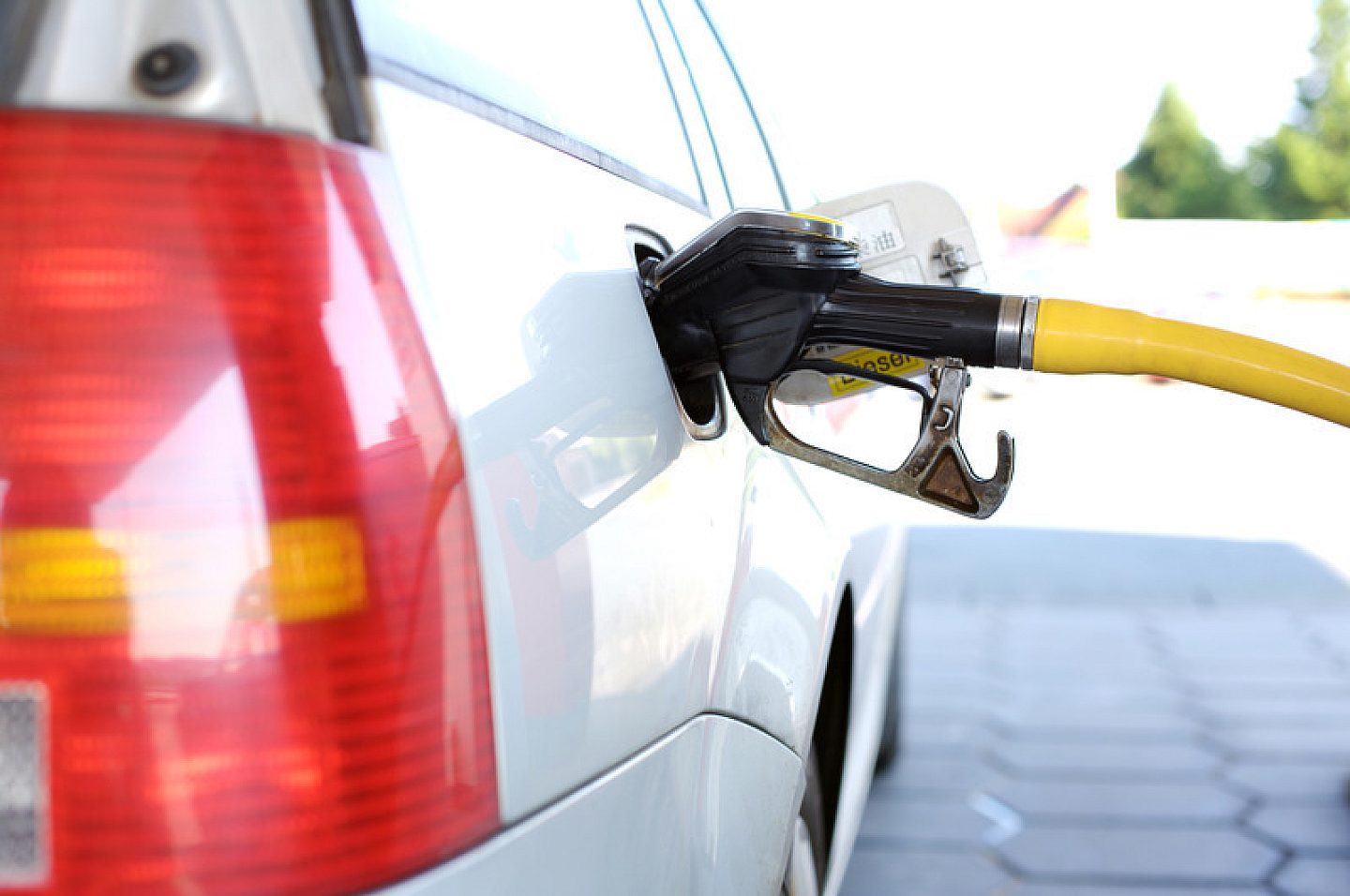
Gas Pump Stock

Stay Safe at the Pump: Card Skimming, Shimming, and Gas Station Scams

Paying at the pump is quick and easy - but unfortunately, it's also a common target for scammers.

Editorial Note: Articles published are intended to provide general information and educational content related to personal finance, banking, and credit union services. While we strive to ensure the accuracy and reliability of the information presented, it should not be considered as financial advice and may be revised as needed.

In 2023 alone, more than 315,000 cards were compromised through skimming attacks, affecting at least 3,500 financial institutions across the U.S. These types of scams now cost consumers and banks over $1 billion annually.

From old-school card skimmers to newer devices hidden inside EMV readers, gas station fraud tactics have become more advanced - and harder to spot. This guide will show you how to identify scams at the pump, protect your card, and respond if your information is ever compromised.

What Are Skimming and Shimming?

Criminals are using increasingly clever methods to steal card data:

  • Skimming devices are installed over or inside the card reader to collect information from your card's magnetic stripe.
  • Shimming devices are paper-thin and sit inside the reader to extract information from chip (EMV) cards.
  • Some devices use Bluetooth technology to transmit stolen data wirelessly - scammers can retrieve your info from up to 100 yards away.
  • Others use hidden cameras or overlay keypads to record PIN entries.

These tools are often invisible to the average person. According to the FBI, some skimmers can capture data from up to 100 cards per day.

How to Spot a Compromised Pump

Scammers tend to target the least visible or most isolated gas pumps. Fortunately, there are several ways to reduce your risk:

Inspect the Card Reader

  • Wiggle the card slot - if it's loose or looks different from nearby pumps, don't use it.
  • Look for mismatched colors, sticky residue, or unusual bulkiness around the reader.
  • Check for a broken security seal, or tamper-evident tape on the pump panel. Many gas stations use these seals to alert staff and customers to interference.

Choose a Safer Pump

  • Use pumps that are closest to the gas station's entrance and in clear view of attendants.
  • Isolated pumps further from the building are more likely to be tampered with.

Use Contactless or Mobile Payment

  • Tap-to-pay options like Apple Pay, Google Pay, and Samsung Pay offer better protection through encryption.
  • If you must insert a card, select "credit" instead of entering a debit PIN.

Block Your PIN

  • Always cover the keypad when entering your PIN. Even if the pump looks normal, there could be a hidden camera.

What to Do If You're a Victim

If your card information is stolen or you notice suspicious charges, act quickly:

  1. Contact your card issuer or financial institution immediately. They can freeze your card, issue a replacement, and investigate the charges.
  2. File a complaint with the Federal Trade Commission (FTC) at ReportFraud.FTC.gov.
  3. Report the scam to the FBI's Internet Crime Complaint Center (IC3) at ic3.gov - especially if you believe it's part of a larger operation.
  4. Notify local law enforcement and provide details of the location and pump you used.
  5. Place a fraud alert with one of the three credit bureaus (Equifax, Experian, TransUnion).
  6. Check your credit report and account activity frequently for any other signs of fraud.

How to Prevent Gas Pump Fraud in the Future

While no one can completely eliminate risk, these simple steps help protect your information:

  • Use contactless payments or pay inside the gas station if the pump looks suspicious.
  • Turn on transaction alerts for your debit and credit cards to catch fraud quickly.
  • Review your statements regularly for unusual charges.
  • Download an anti-skimming app to detect suspicious Bluetooth signals near the pump.
  • Avoid pumps with broken seals or loose equipment.

Stay Vigilant and Stay Informed

Gas station scams have become more sophisticated but staying alert and proactive can go a long way toward protecting your finances. Whether you're using a debit card, credit card, or mobile wallet, a few extra seconds of caution can help you avoid becoming part of the growing skimming and shimming statistics.

Reporting Scams
Spotted a scam or worried you've been made a victim?

We're here to help. Our team can walk you through any suspicious activity and verify messages you've received. Call us or visit your local branch - and always trust your instincts. When in doubt, don't respond - reach out.

  1. Contact us at 256-383-9204 or by visiting our Support page.
  2. Report the scam to the BBB Scam Tracker and the government via ReportFraud.ftc.gov. You may also want to report scammers directly to the FBI.
default icon for intro
What can we help you with? *
default icon for borrow
What are you borrowing for?
default icon for vehicleOptions
Vehicle Options
default icon for homeOptions
Home Options
default icon for save
What are you saving for?
default icon for forMyKidsOptions
How old are your kids?
default icon for everydayBanking
Which of these banking options are you interested in?
default icon for checkingOptions
How old are you (or your child)?
default icon for purchasingPowerOptions
How old are you?
default icon for checking15Options
What kind of account are you looking for?
search popup background

What are you looking for?

Common Links

Frequently Asked Questions

  • Do I have to be a member to apply for a fixed-rate loan?

    Yes, you need to be a Listerhill member to apply for loans. To qualify for membership with Listerhill, you must meet one of the following requirements:

    • If you live in the states of Alabama, Georgia, Mississippi, Florida, or Tennessee, you are eligible to become a member.
    • Depending on your individual eligibility requirements, we may require membership in an approved association at no cost to you.
    • You can also qualify for membership by being a family member of a current or potential Listerhill member.
       
  • How important is my credit history in determining whether I qualify for a loan?

    Your credit history is extremely important to lenders when deciding whether to offer you a loan, because it provides an indication of how likely you are to pay back what you owe. This helps lenders determine how much of a risk you are. Typically, the better your credit history, the less risky you appear to lenders, and the better (lower) the interest rate you are likely to be offered.

    Lenders do, however, look at other factors such as income, job stability, and existing debts. Credit unions like Listerhill are also known for taking a more holistic look at their members’ finances when deciding whether to approve a loan, rather than relying solely on the numbers.

  • What is a good down payment on a home?

    A down payment of up to 20% is considered good by many lenders. This gives you a significant stake in the property that you are borrowing money to buy. Lenders see a substantial down payment as a good indicator that you will continue to make payments because you risk losing your own money if you do not. Typically, you’ll get a lower mortgage interest rate the more money you are able to put down, although lenders do look at other factors as well.

  • What is a debt-to-income ratio?

    Your debt-to-income (DTI) ratio compares your monthly debt payments relative to your gross monthly income. Mortgage lenders use it to evaluate how well you manage debt and whether you can afford a new loan. A lower DTI generally makes it easier to qualify for mortgages and other loans. For conventional home loans, many lenders look for a DTI below 43%.

  • How much is a $300,000 mortgage payment?

    Assuming you borrowed $300,000 on a fixed 25 year mortgage loan at a current average annual percentage rate (APR), you could expect to pay about $2,120 per month (not including taxes and insurance premiums). This does not include any down payment you might make on the total purchase price of the house.