Editorial Note: Articles published are intended to provide general information and educational content related to personal finance, banking, and credit union services. While we strive to ensure the accuracy and reliability of the information presented, it should not be considered as financial advice and may be revised as needed.
Read on to learn more about credit unions and how they differ from banks.
Navigating the world of personal finance can be perplexing, especially when determining which institution to entrust with your banking and financial needs. You have many possible options, including banks and credit unions.
Navigating the world of personal finance can be perplexing, especially when determining which institution to entrust with your banking and financial needs. You have many possible options, including banks and credit unions.
You might be wondering what's the difference between a credit union and a bank. While both offer a myriad of financial products and services, several key differences set them apart.
Read on to learn more about credit unions and how they differ from banks.
What is a Credit Union vs. Bank?
A credit union is a non-profit, member-owned financial cooperative that offers a wide range of financial products and services, including savings and checking accounts, loans, and investment options. Credit unions prioritize their member’s needs and operate with the goal of returning profits to members.
Many people often find themselves wondering the following question: can anyone join a credit union? While it’s true that credit unions have eligibility requirements, some are more inclusive than others.
For example, Listerhill Credit Union has physical locations in Alabama and Tennessee and is open to a wide range of people, including:
Anyone who lives, works, or attends school in a county served by Listerhill CU or works for a member company
Residents of Alabama, Tennessee, Mississippi, Georgia, or Florida who opt to join the Kicks for Kids Association
Anyone related to a person who has a Listerhill Credit Union account
Alternatively, banks are for-profit institutions owned by shareholders, whose primary objective is to generate profit for their investors. Banks offer similar products and services as credit unions. However, their profit-driven business model often leads to higher fees and less personalized service.
Fees
Credit unions generally have lower fees than banks, as their goal is to provide affordable banking services to their members. Banks often have much higher fees to ensure maximum profit for their shareholders.
Are Credit Unions Safer Than Banks?
You might be wondering if credit unions are FDIC insured and safer than banks. While both offer insurance to protect your deposits, they’re insured by two different federally-controlled entities.
The National Credit Union Administration (NCUA) insures credit unions, while the Federal Deposit Insurance Corporation (FDIC) insures banks. The NCUA and FDIC cover each depositor up to $250,000.
Internet Best Practices
While we're on the topic of safety, here are some helpful tips for practicing good internet security and avoiding fraud:
When managing your finances online, always use strong, unique passwords that combine letters, numbers, and symbols. Change your password at least once every three months. Never share login credentials over email or unencrypted websites.
Enable two-factor authentication on accounts when available, which requires a one-time code and your password to log in. This prevents criminals from accessing accounts even if they steal your password.
Don’t access your bank account when using public WiFi (e.g., at a coffee shop)—even when using your personal laptop, tablet, or cell phone. Hackers can “sniff” the WiFi connection and steal your bank account login credentials as they travel over the network.
Also, avoid logging into your bank account on a public computer, such as at a library. Cybercriminals can upload a “keylogger” program to an unsecured computer. These programs act like a camera and can record your bank account username and password as you type them in.
How to Prevent Fraud
There are several steps you can take to avoid fraud when banking online. Beware of phishing scams via text or email that mimics banks and ask you to log in to steal credentials. Avoid entering card or account details on unfamiliar websites. Monitoring accounts frequently also allows for catching unauthorized charges early. Additionally, set up transaction alerts to be notified immediately of suspicious activity. Listerhill offers customizable alerts that provide members peace of mind and early fraud detection. With proper precautions, members can bank online safely and prevent financial fraud.
Interest Rates
Banks tend to have higher interest rates for personal and business loan products. Credit unions often have highly competitive rates, ultimately resulting in more affordable borrowing options.
Community Involvement
While banks may engage in community initiatives, it’s more of an afterthought and often involves ulterior motives, such as marketing or generating positive publicity.
Since credit unions focus solely on the best interests of their members, they typically have a very strong focus on community involvement through initiatives like education, fundraising, scholarships, and donations.
Product Offerings
Banks and credit unions offer similar financial products, including personal loans, credit cards, business loans, and checking and savings accounts. Banks can sometimes offer a wider variety of loans and other services.
Customer Service
Credit unions are known for their personalized, member-focused approach to customer service. Banks may not be able to provide the same level of personalization due to their larger customer base.
Technology & Online Banking
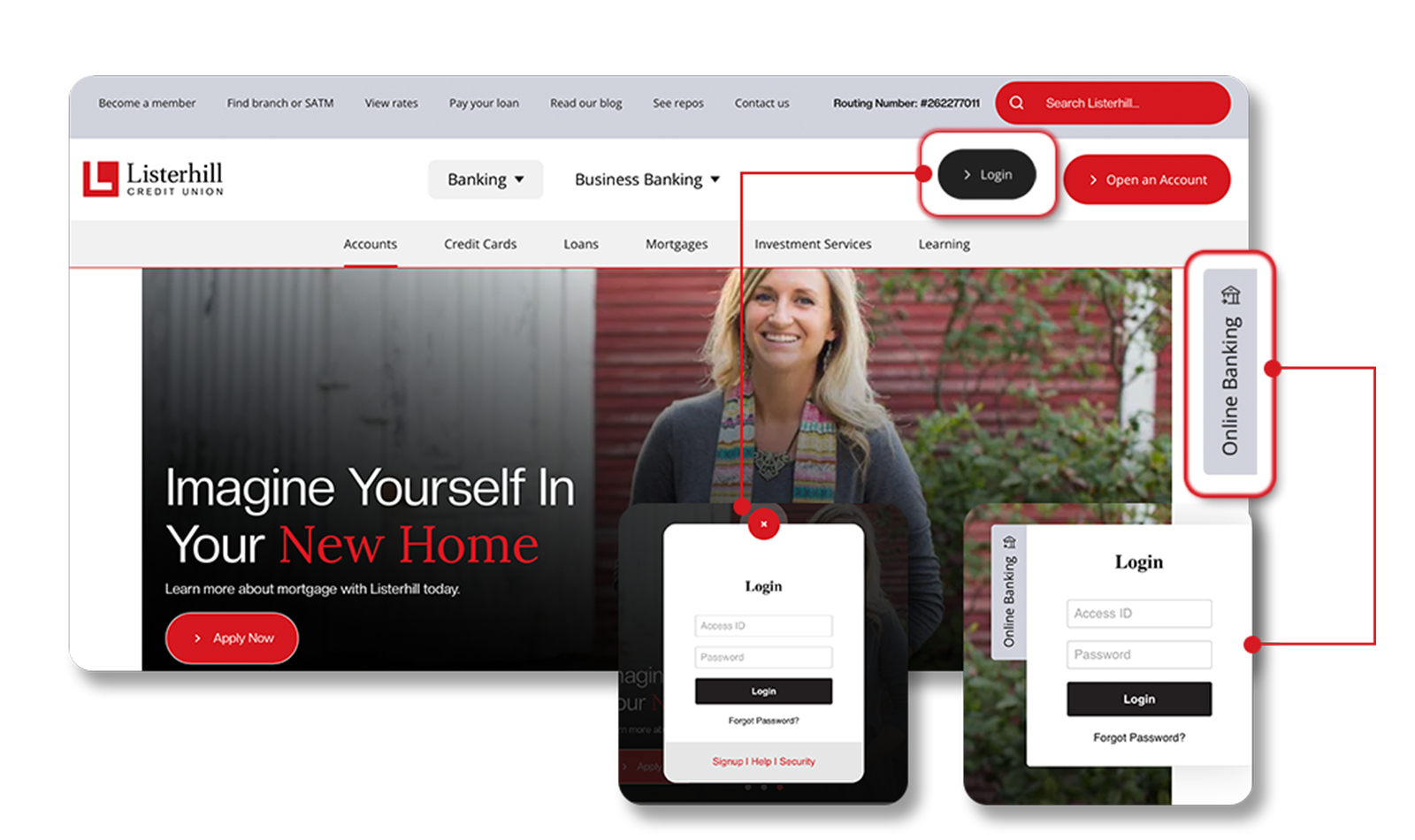
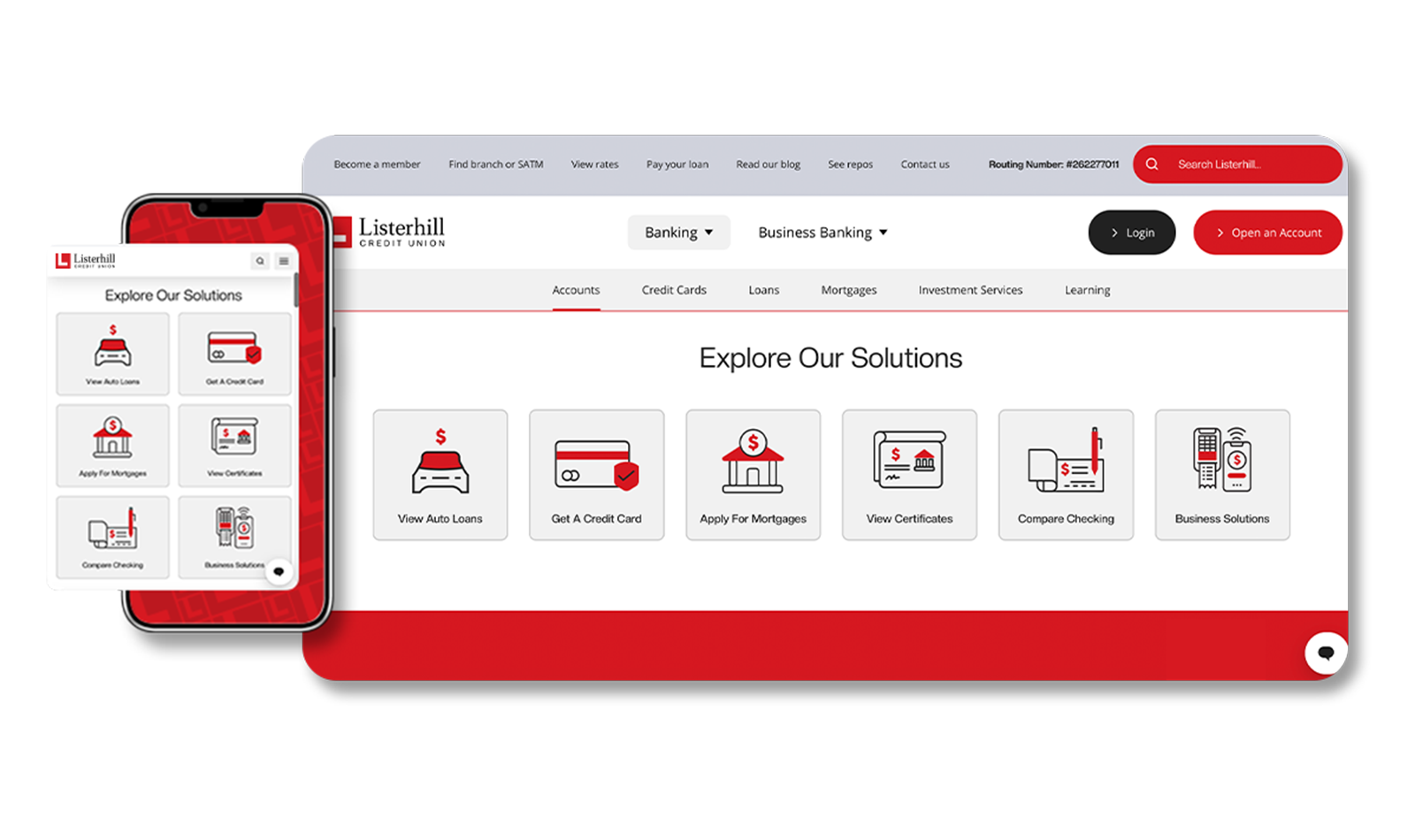
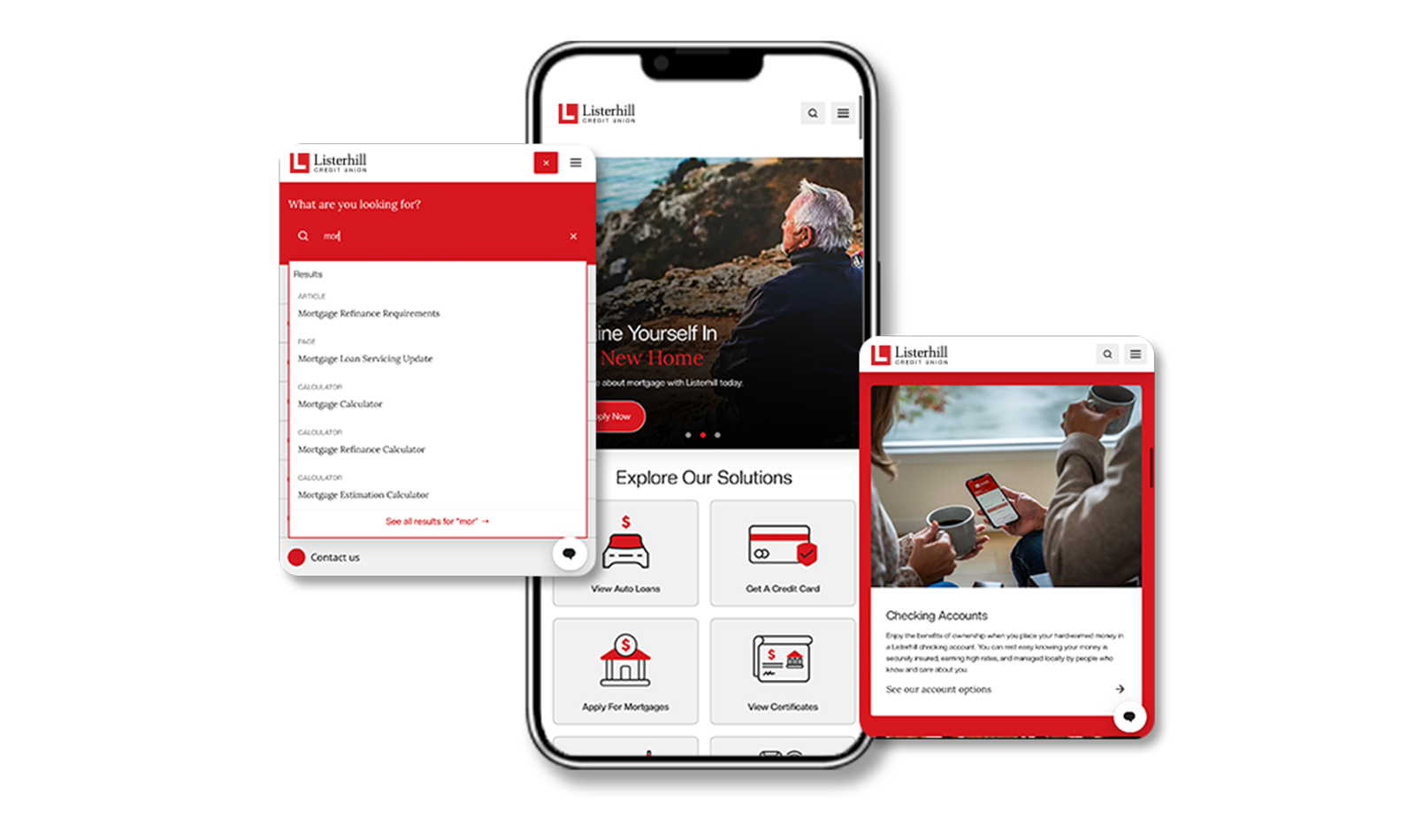
Banks and credit unions offer similar technologies and online banking services. Some credit unions, such as Listerhill Credit Union, take that concept one step further with their exceptional digital banking services.
Listerhill’s online banking platform provides members with easy access to their accounts, bill pay, and a range of other valuable services. Listerhill also offers 24-hour Smart ATMs that allow you to get exact change, make a deposit, or speak with an actual live bank representative via video chat.
How to Decide Which One to Join
When deciding whether to choose between a credit union or a bank, evaluating your financial needs and preferences is key. Consider aspects like convenience, the importance of personalized service, and your desire for a community-focused institution.
Credit unions, like Listerhill, stand out due to their commitment to member satisfaction, lower fees, better interest rates, and more affordable financial services. Listerhill also offers a wide range of personal and business financial products tailored to your specific needs.
Discover the Credit Union Advantage
The choice between a credit union and a bank comes down to your priorities and personal preferences. Listerhill Credit Union offers competitive rates, lower fees, personalized customer service, and advanced digital offerings including online banking and Smart ATMs.
Click below to learn more about the advantages you can expect from joining the Listerhill family!
See the Benefits of Everyday Banking with Listerhill Credit Union